
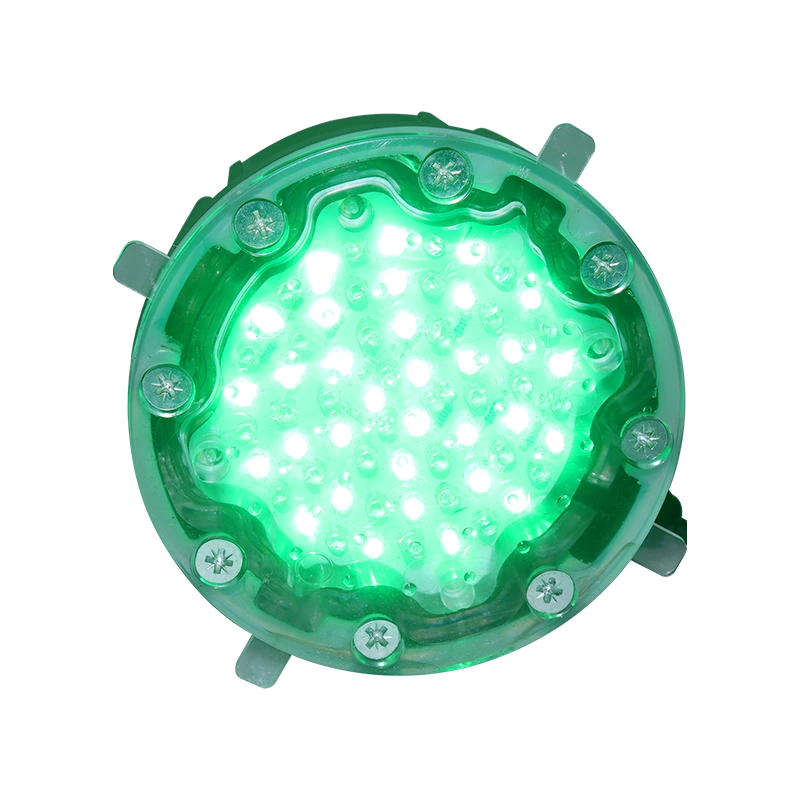
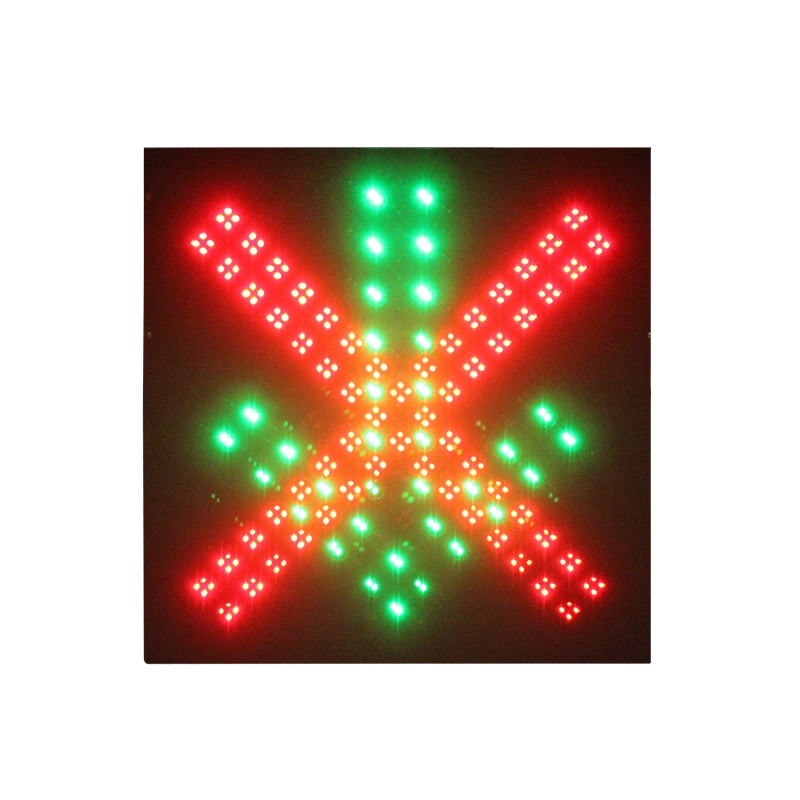
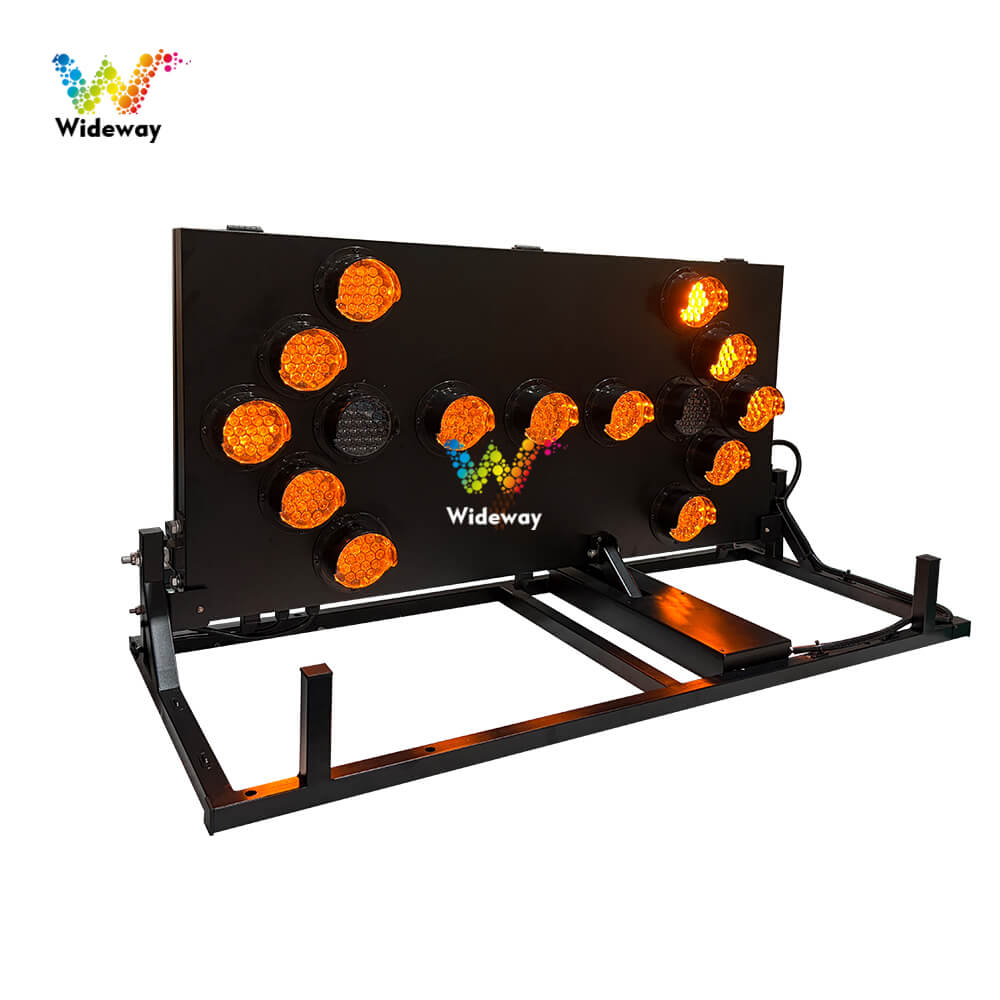
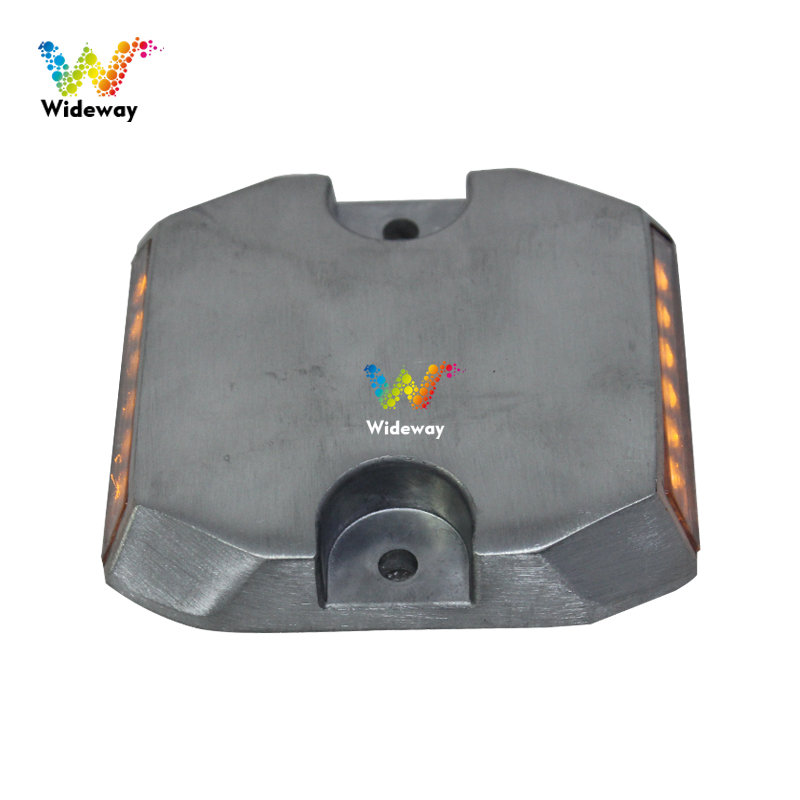
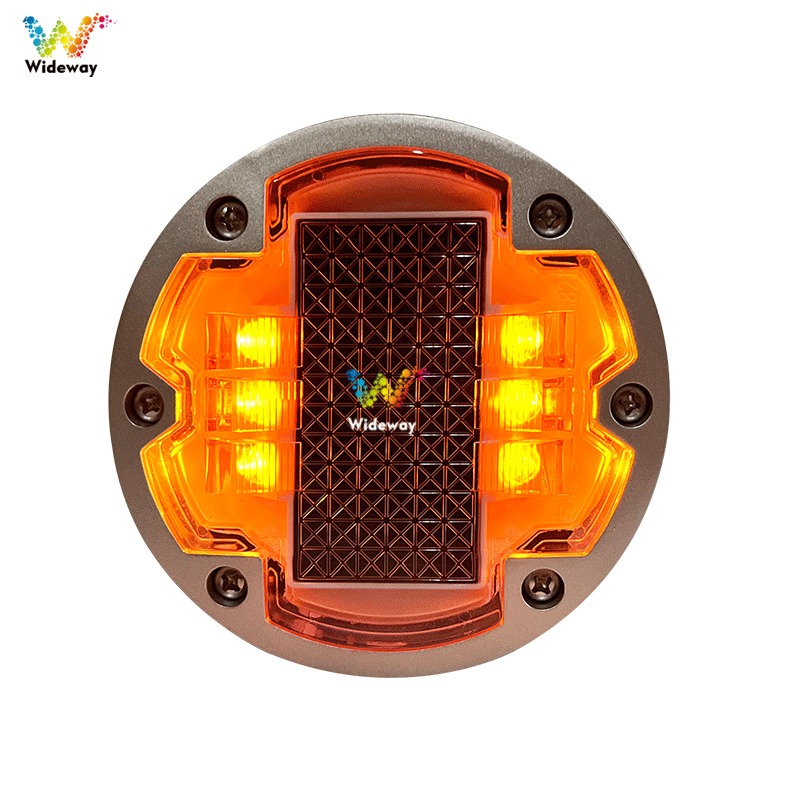
In the current transportation system, road studs (also referred to as road markers or cat’s eyes) have played an important part in making roads safer. The use of road studs is common on roads, highways, tunnels, and complicated junctions to assist drivers in determining the limits of lanes, particularly in dark or poor weather conditions.
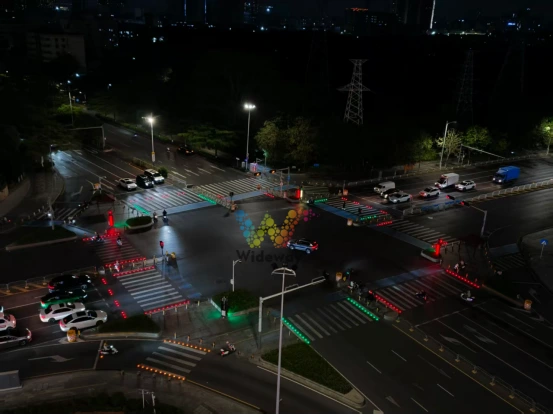
Road stud technology has advanced with the advancement of the intelligent transportation system by including varieties of road studs like solar-powered road studs, heavy-duty road studs, and intelligent road studs.
Common classification of road stud types
Basic reflective road studs
Basic reflective road studs types are the most widely used form. They rely on vehicle headlights to reflect light back to drivers, providing lane guidance in low-visibility conditions. Their structure is simple, cost-effective, and easy to install, making them suitable for urban roads, parking lots, and standard traffic lanes.
Solar-powered illuminated road studs
Solar-powered road stud types use built-in solar panels and LED lighting to actively emit light at night without external power sources. This makes them highly effective in low-light environments such as highways, tunnels, and long-distance rural roads.
Heavy-duty metal embedded road studs
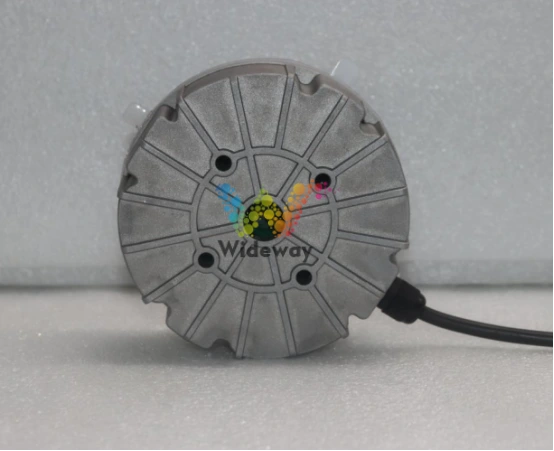
The road stud type that is used in industrial and high-load settings usually incorporates metal structures. They are made in such a way that they can endure heavy vehicle load constantly, making them perfect for ports, logistics centers, and freight routes.
Comparison of different road studs types
To better understand their differences, the following table summarizes the key characteristics of different road studs types:
| Type | Lighting Method | Key Advantages | Application Scenarios | Maintenance Cost |
| Reflective type | Passive reflection of headlights | Low cost, easy installation | Urban roads, parking areas | Low |
| Solar-powered type | Active LED illumination | Long visibility range, energy-efficient | Highways, tunnels | Medium |
| Metal embedded type | No active lighting / reflective support | High strength, durable | Industrial roads, ports | Medium |
This comparison helps engineers and planners select suitable road studs types based on road classification and safety requirements.
Smart integration in modern traffic systems
Intelligent coordination with traffic infrastructure
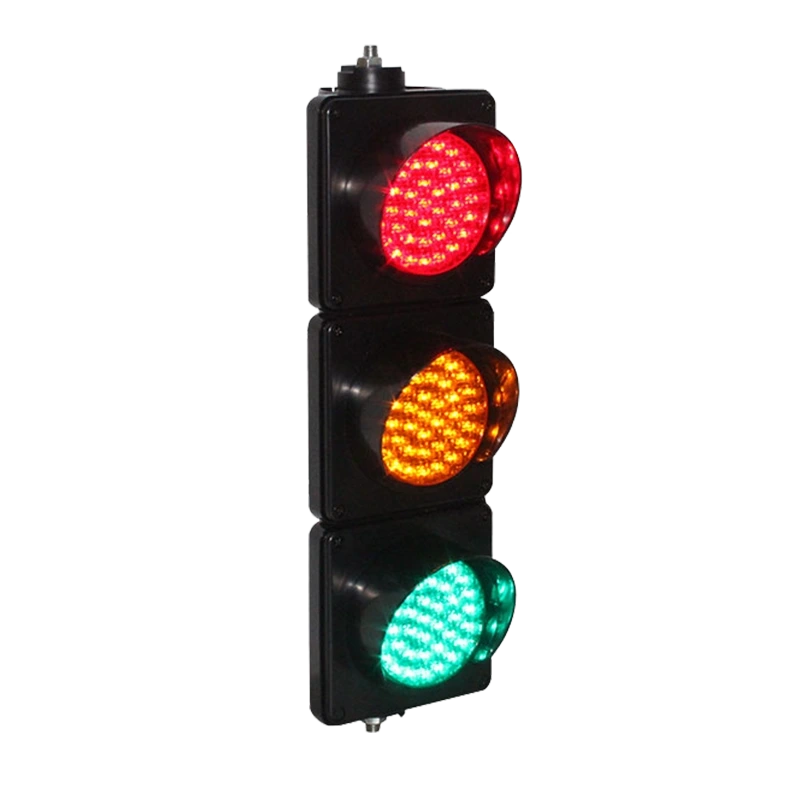
With the rise of smart cities, road studs types are increasingly integrated into broader traffic control systems. They can now work in coordination with traffic lights, surveillance systems, and centralized traffic management platforms.
In modern intersection designs, ground-level guidance systems and elevated traffic devices operate together to create a more efficient and responsive traffic environment.
Smart pole system in urban road coordination
In some urban road projects, the All-in-One Double-Sided Smart Pole is used together with road stud types to form a multi-layer traffic guidance system.
This smart pole integrates high-brightness LED chips arranged in a dense layout, delivering strong visual signals for both drivers and pedestrians. Its structure is built with cold-rolled steel housing, offering strong wind resistance and long-term durability in outdoor environments.
The system also features synchronized light control, where the illumination direction and color change according to pedestrian signal phases. When the signal turns green, the pole provides both visual and audio guidance, such as “Green light—please proceed,” while red signals trigger warning messages and alert sounds.
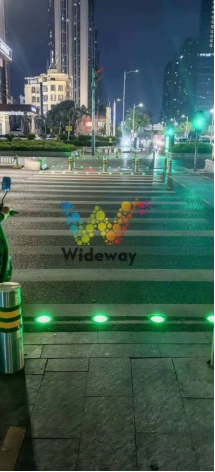
When combined with road studs types on the ground, this creates a three-level guidance system:
- Ground-level studs for lane positioning
- Vertical smart pole for signal indication
- Audio-visual alerts for pedestrian behavior guidance
This integration significantly improves intersection safety and reduces confusion in high-traffic urban areas.
Embedded signal-assisted road studs applications
Pedestrian safety ground indicators
Another important category of road studs types is embedded signal-assisted devices, commonly installed at zebra crossings or safety islands.
These systems use high-strength aluminum housings with sealed internal LED modules, offering excellent waterproof and load-bearing performance.
Key features include:
- Synchronized operation with pedestrian traffic lights
- Bright ground-level signal indication
- Anti-slip and high-durability surface design
- Improved safety for distracted pedestrians
Application in crosswalk safety
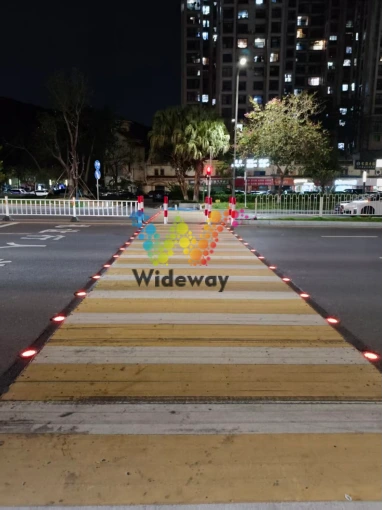
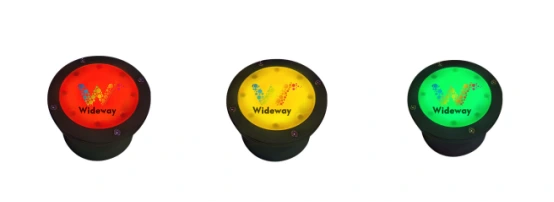
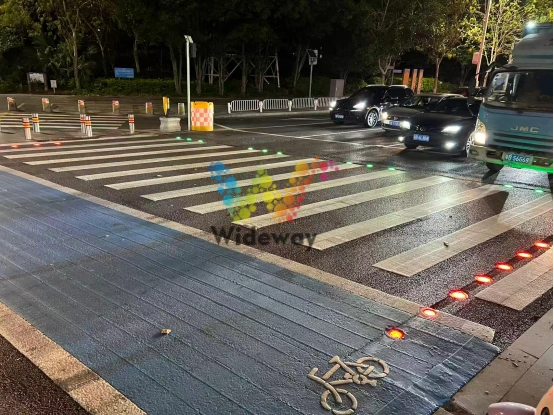
In pedestrian crossing zones, the Underground Pile Light is often deployed as a ground-level safety enhancement alongside road studs types.
This embedded system uses cast aluminum housing with a fully sealed internal LED structure, ensuring waterproof performance and resistance to heavy vehicle pressure. The front surface is treated with anti-slip material, making it safe for both pedestrians and vehicles passing over it.
The lighting system is synchronized with traffic signals:
- Red light phase: ground indicators show stop signals for pedestrians and drivers
- Green light phase: illuminated guidance supports safe crossing direction
Installed at zebra crossings and safety islands, this system works together with road studs types to ensure that even distracted pedestrians can clearly perceive traffic status at ground level, significantly reducing accident risk.
Conclusion

Different road studs types serve different roles in modern traffic systems, from basic reflective guidance to advanced intelligent coordination systems. Together, they form a safer and more efficient road environment.
Through proper selection and system integration, road safety performance can be significantly improved across various road conditions.
If you are looking for professional road safety solutions, Wideway has extensive experience in traffic engineering and can provide customized products and system-level solutions based on your project requirements. Feel free to contact us for more technical information and cooperation opportunities.
