
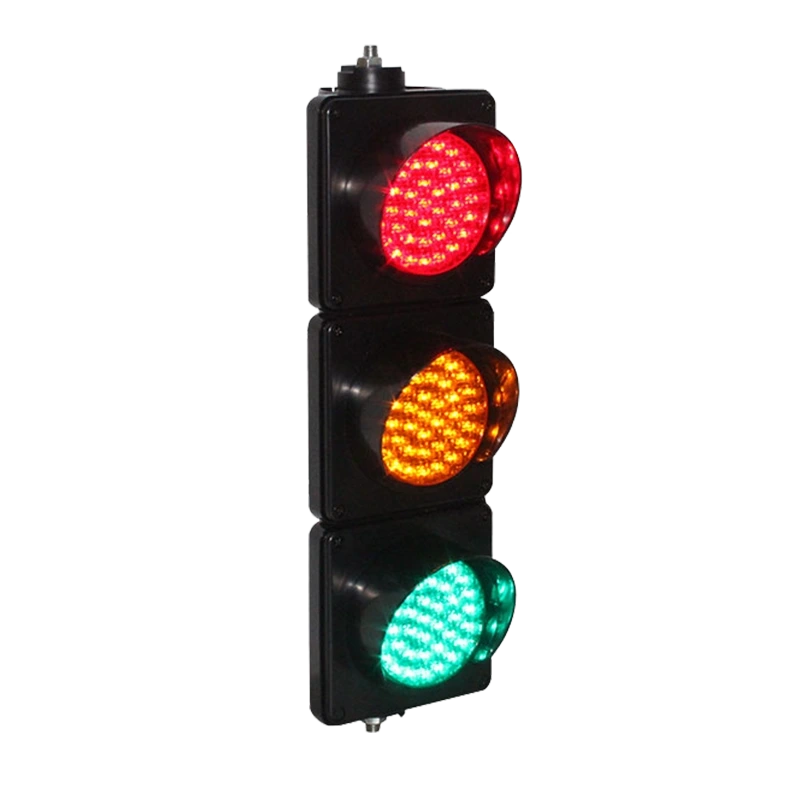
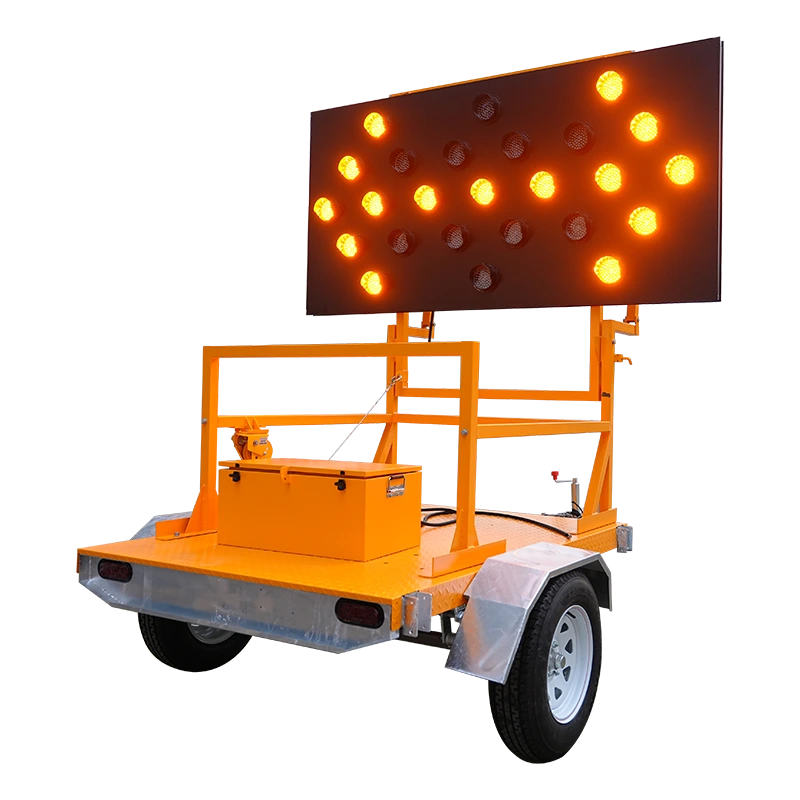
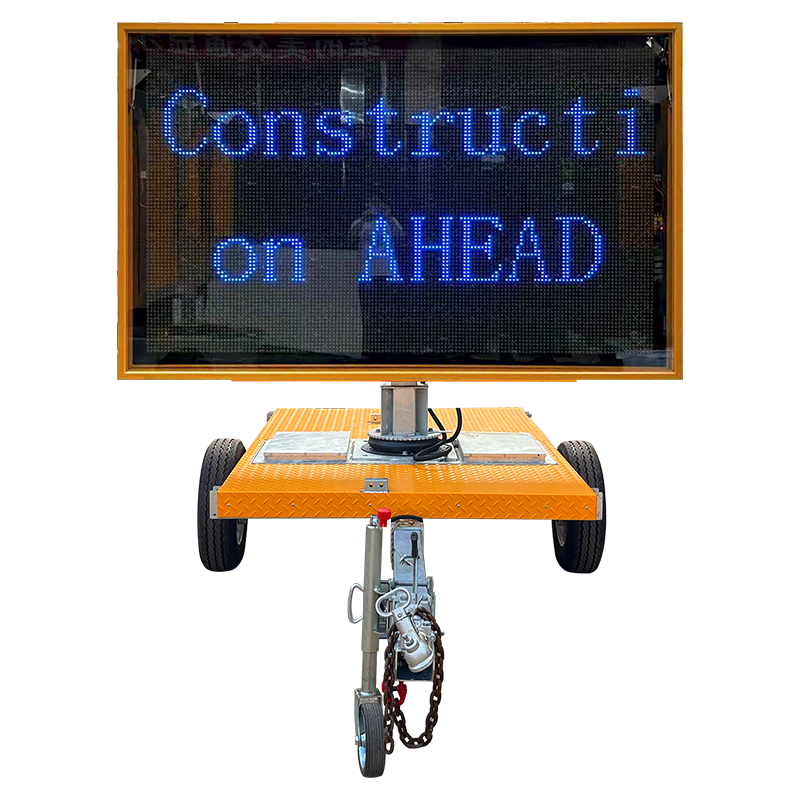
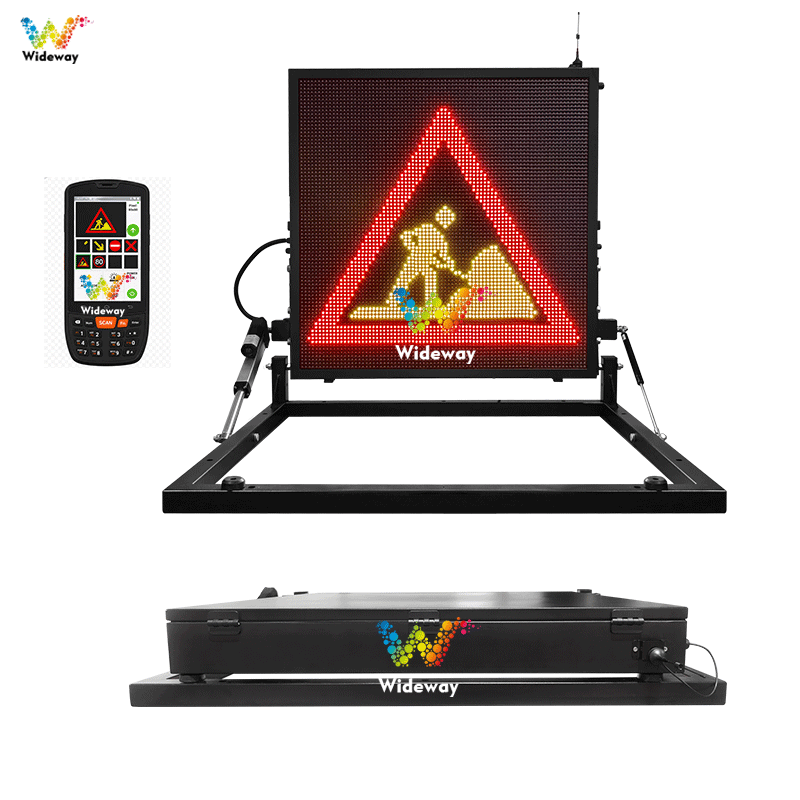
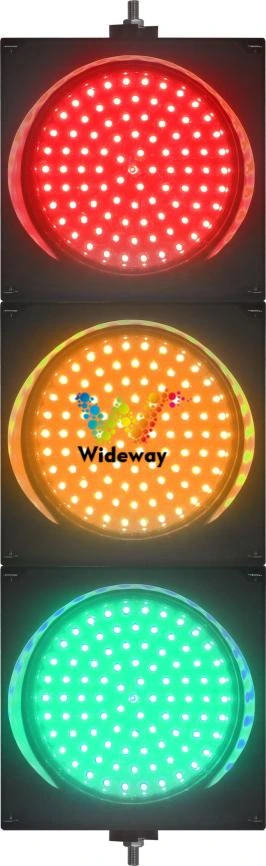
The modern urban transport system is shifting its transportation system structure from being merely a signal control system to becoming a smart information guidance system. The most efficient of such systems is the traffic light countdown system that indicates the time remaining until the traffic light changes.
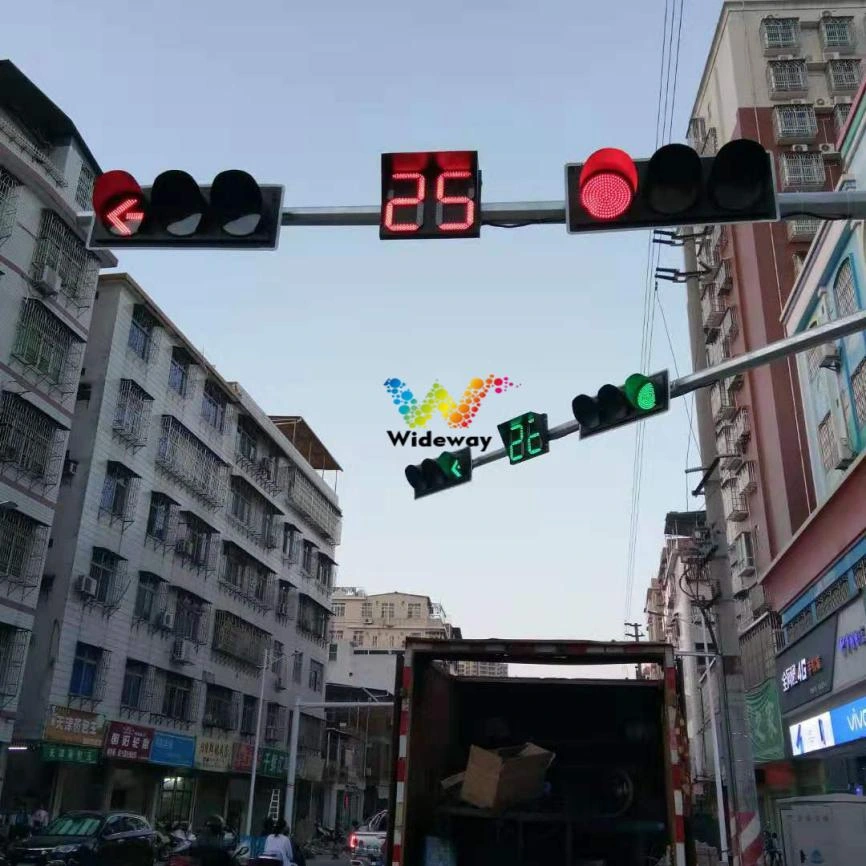
The traffic light countdown system differs from conventional traffic lights in the sense that, in addition to displaying red, yellow, or green lights, it shows the remaining time before the light turns off.
1. Traffic signal countdown in modern traffic systems
1.1 What is a traffic signal countdown?
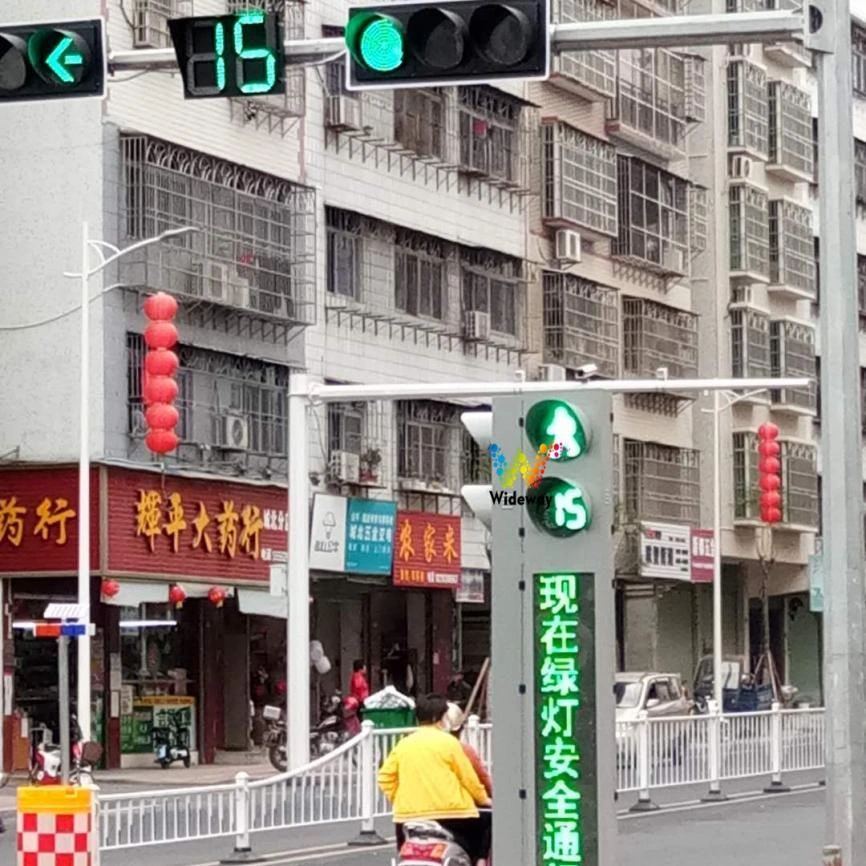
A traffic signal countdown is an auxiliary traffic display system that shows the remaining time of a traffic light phase in seconds. It operates in synchronization with traffic signal controllers while independently displaying timing information.
Its core functions include:
- Displaying remaining red or green light duration
- Helping drivers prepare for stopping or passing
- Reducing sudden braking and acceleration
- Improving intersection predictability
Research shows that intersections equipped with a traffic signal countdown system can reduce traffic conflicts by approximately 10%–25%, especially in high-density urban areas.
1.2 System logic and synchronization mechanism
The traffic signal countdown does not control the traffic light itself. Instead, it receives timing data from the traffic signal controller and converts it into visual output.
The workflow typically includes:
- The traffic signal controller generates phase timing (e.g., 45s green, 3s yellow)
- Data is transmitted to the countdown terminal via communication modules
- The terminal calculates real-time remaining time
- LED display updates dynamically every second
This separated architecture ensures high reliability—if the display unit fails, the traffic light continues operating normally.
2. How traffic signal countdown improves road safety
2.1 Reducing driver uncertainty
A major cause of intersection accidents is uncertainty during signal transitions. Without a countdown, drivers may:
- Brake suddenly at the last moment
- Accelerate to “beat the light”
- Misjudge yellow-light timing
A traffic signal countdown eliminates this uncertainty by providing precise time information, such as “7 seconds remaining,” allowing drivers to make stable and predictable decisions.
2.2 Improving pedestrian crossing safety
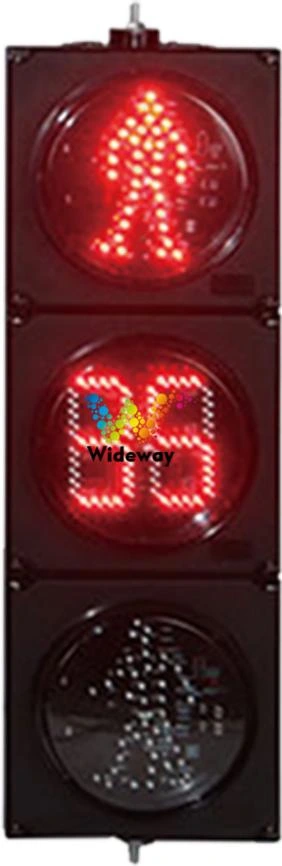
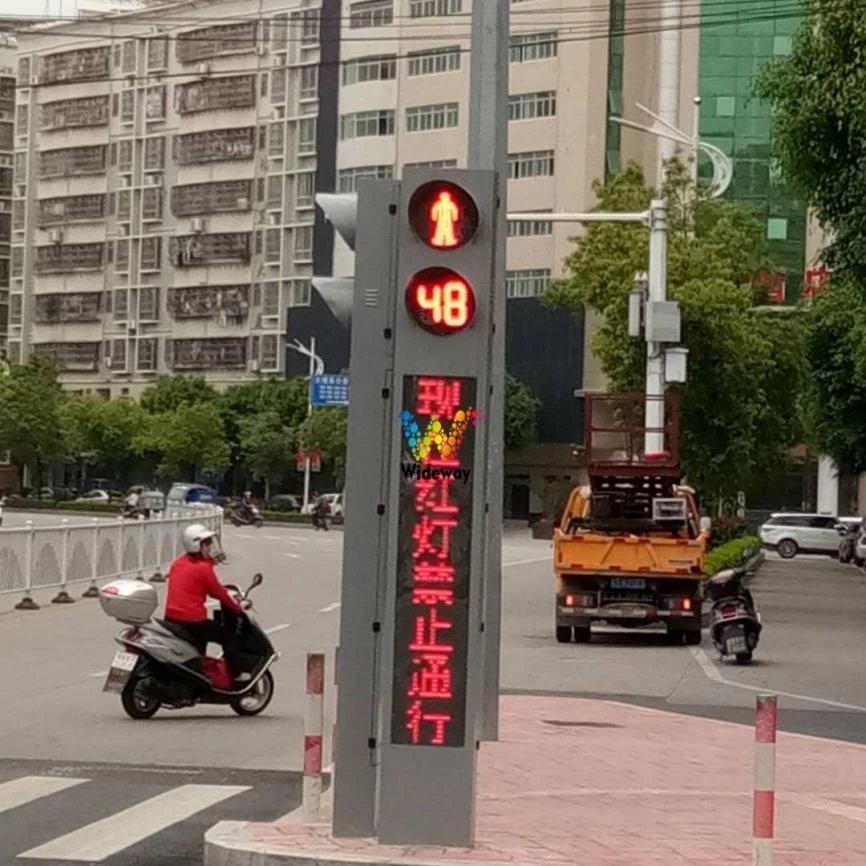
Pedestrians are one of the most vulnerable groups in urban traffic. The countdown system helps them:
- Decide whether it is safe to start crossing
- Avoid being stranded in the middle of intersections
- Reduce risky last-second crossing behavior
Studies indicate that pedestrian-related accidents decrease by 15%–20% in areas where a traffic signal countdown is installed, particularly near schools and hospitals.
2.3 Enhancing traffic flow efficiency
Beyond safety improvements, the traffic signal countdown also optimizes traffic flow:
- Reduces unnecessary idling time
- Minimizes sudden braking waves
- Improves vehicle start synchronization
- Stabilizes intersection throughput
Overall efficiency at intersections can improve by 10%–20%, especially during peak hours.
3. Real-world application: high-visibility countdown systems in urban intersections
3.1 Countdown display deployment
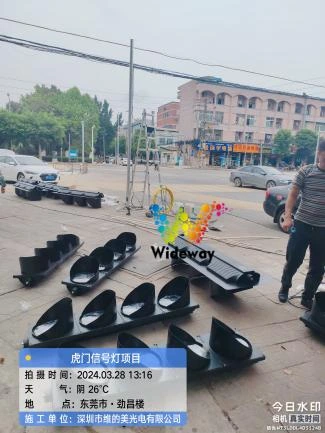
In major cities, intersections often deploy high-visibility LED systems similar to a 600 x 800 mm traffic light countdown timer. These systems are designed for long-distance readability and stable outdoor performance.
They are typically installed in:
- Multi-lane urban intersections
- Major arterial roads
- Complex signal-controlled junctions
- High-visibility requirement zones
Their primary function is to allow drivers to detect signal timing from 200–300 meters away, enabling earlier speed adjustment and smoother driving behavior.
3.2 Engineering performance and technical advantages
Modern traffic signal countdown systems are designed with industrial-grade specifications, including:
- High-brightness LED display with day/night auto adjustment
- LED lifespan exceeding 100,000 hours
- Ultra-low power consumption for 24/7 operation
- IP65 or higher protection rating for outdoor environments
- Anti-corrosion housing for coastal or humid regions
- Shock-resistant structure for harsh urban conditions
Many systems also support dual-mode operation (learning-based and communication-based), ensuring compatibility with different traffic infrastructure systems.
4. Traffic signal countdown deployment logic in urban environments
In traffic engineering design, the deployment of a traffic signal countdown system depends on traffic density, road classification, and safety risk level.
Typical application logic includes:
- High-conflict intersections
Used to reduce decision errors in multi-directional traffic flow and improve driver consistency. - Mixed traffic zones
In areas with vehicles, bicycles, and pedestrians sharing the same space, countdown timers improve predictability and order. - Sensitive public service areas
Around schools, hospitals, and government facilities, the system enhances safety margins and reduces sudden braking risks. - High-speed transition segments
At ramps or arterial transitions, countdown signals provide early warning time for safer speed adjustment.
5. Engineering reliability and sustainability of traffic signal countdown systems
5.1 Outdoor structural durability
To ensure long-term operation, traffic signal countdown systems are built with:
- UV-resistant materials
- Industrial-grade anti-aging housings
- Waterproof and dustproof sealing design
- Impact-resistant structural frames
These features ensure stable operation under extreme conditions such as heavy rain, heat, and strong winds.
5.2 Energy efficiency and green infrastructure value
Modern systems align with sustainable urban development goals:
- Low-energy LED technology
- Non-toxic and environmentally friendly materials
- Long service life reduces maintenance frequency
- Lower carbon footprint in urban infrastructure
This makes the traffic signal countdown an essential component of smart and green city transportation systems.
Conclusion: Traffic signal countdown as a key smart traffic infrastructure
Overall, the traffic signal countdown is not just an auxiliary display device but a critical component of modern intelligent transportation systems. By providing precise timing information, it reduces uncertainty for drivers and pedestrians, improves safety, and enhances intersection efficiency.
In today’s smart city development, reliable countdown systems are becoming standard infrastructure for traffic management worldwide.
In practical applications, Wideway provides professional traffic signal solutions widely used in urban road systems across multiple countries. If you need traffic signal equipment or technical support, please feel free to contact us for professional services and project assistance.
