
Real-time information provision has now become an absolute necessity in current intelligent transportation systems. On highways, urban expressways, and construction sites, traffic authorities use dynamic communication means to direct the movement of traffic and minimize the chances of congestion. The VMS is one of the most important dynamic communication means used.
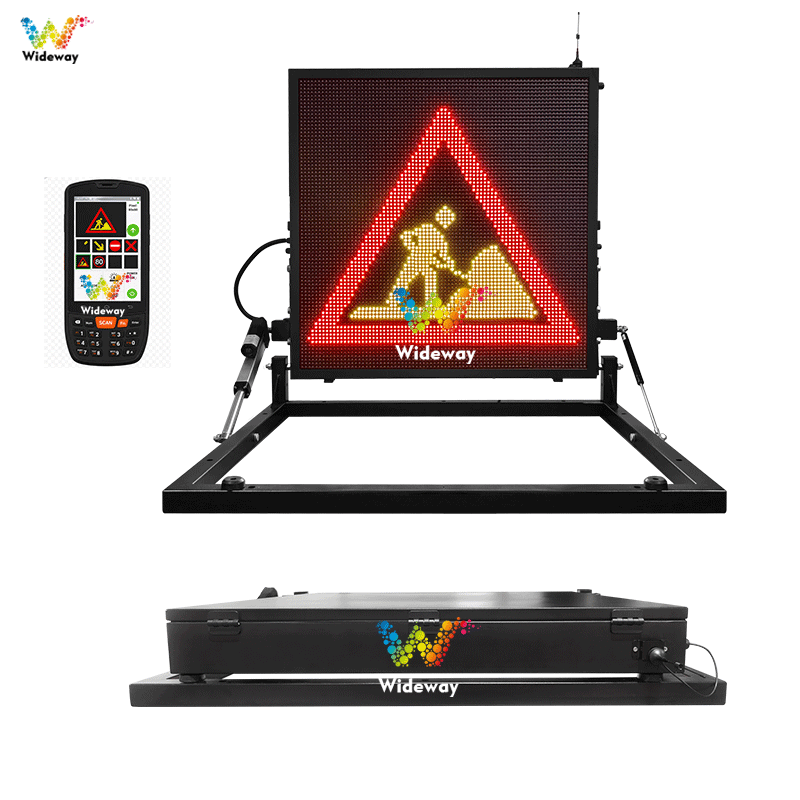
VMS signs refer to dynamic signs used for providing real-time information on traffic movement. Examples include information about speed limits, accidents, or routing. Unlike static traffic signs, these systems offer greater flexibility and quicker responsiveness, making them a core component of intelligent transportation systems.
1. Structure and working principle of VMS signs
1.1 System composition and display performance
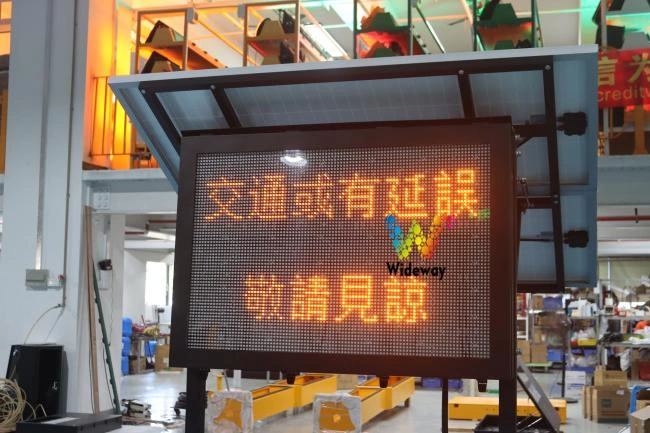
The structure of VMS sign systems comprises three major components: an LED screen module, control unit, and communication system. The brightness of the LEDs is normally at the level of 7000 to 10000 cd/m².
The communication system typically relies on 4G, 5G, or fiber-optic networks, enabling remote updates in as little as 1–3 seconds. This ensures that traffic information remains accurate and timely.
From an engineering perspective, these systems are typically designed with IP65 or higher protection ratings, enabling stable long-term outdoor operation under harsh weather conditions.
1.2 Operational mechanism in traffic management
In intelligent traffic systems, VMS signs function not only as display units but also as information execution terminals. Traffic data collected from cameras and radar systems is sent to a central platform for analysis. When abnormal conditions are detected, the system automatically triggers updated messages.
These messages may include:
- Congestion ahead
- Road construction warning
- Accident alert
This real-time response mechanism significantly reduces secondary accidents and improves overall traffic safety.
2. Types and application scenarios of VMS signs
2.1 Fixed and mobile systems
Different VMS signs are designed for different operational environments.
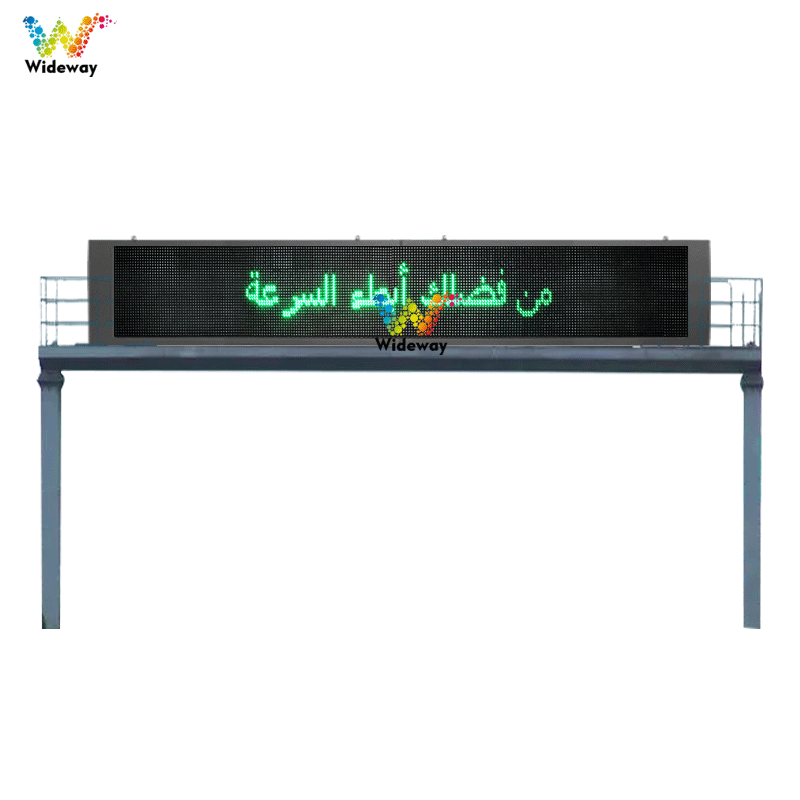
Fixed systems are usually installed on highway gantries or roadside structures for long-term traffic management, such as speed control and weather alerts.
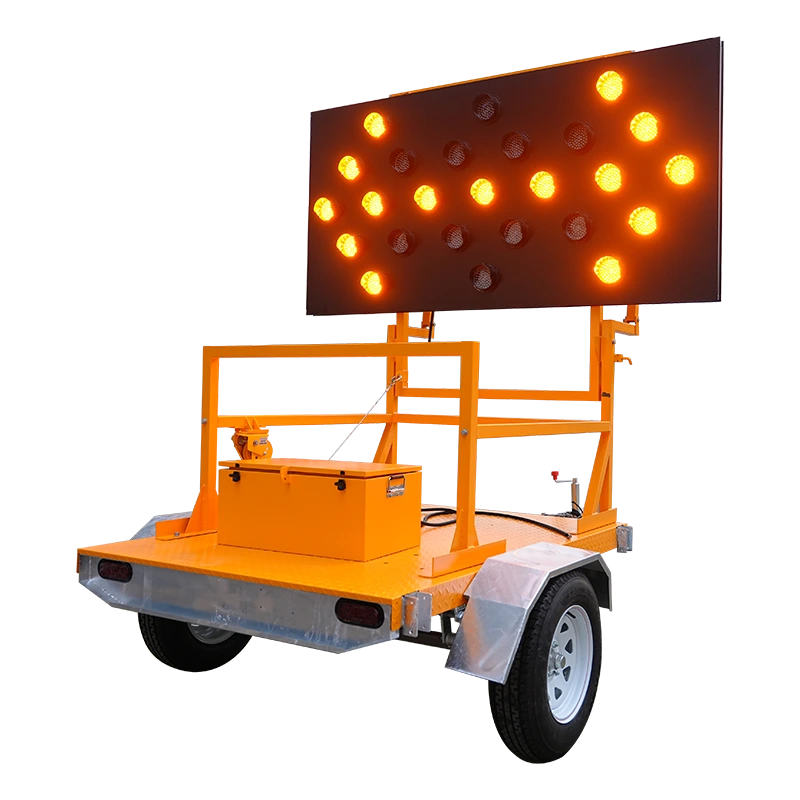
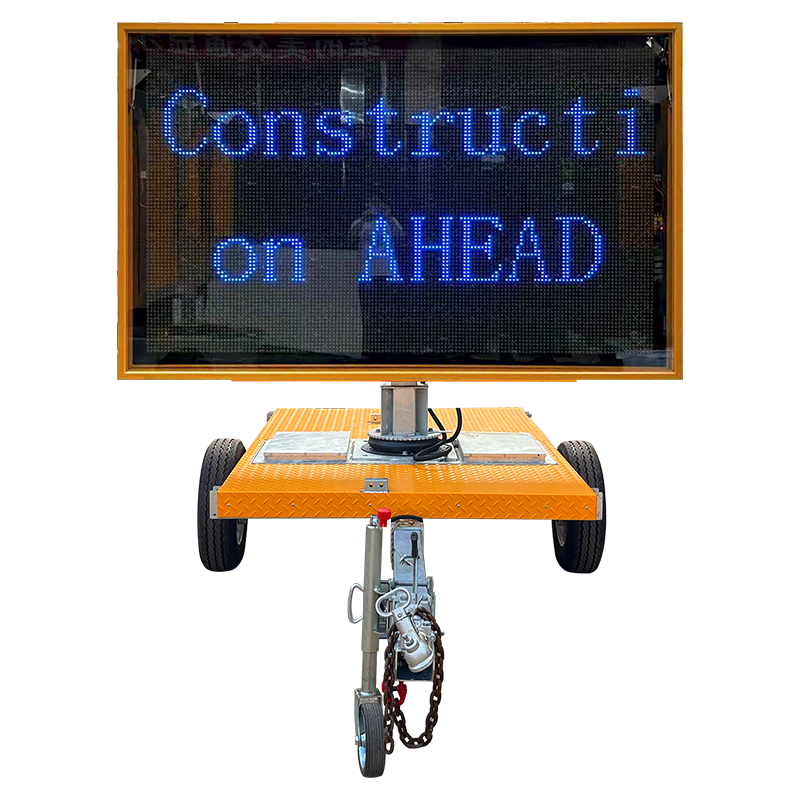
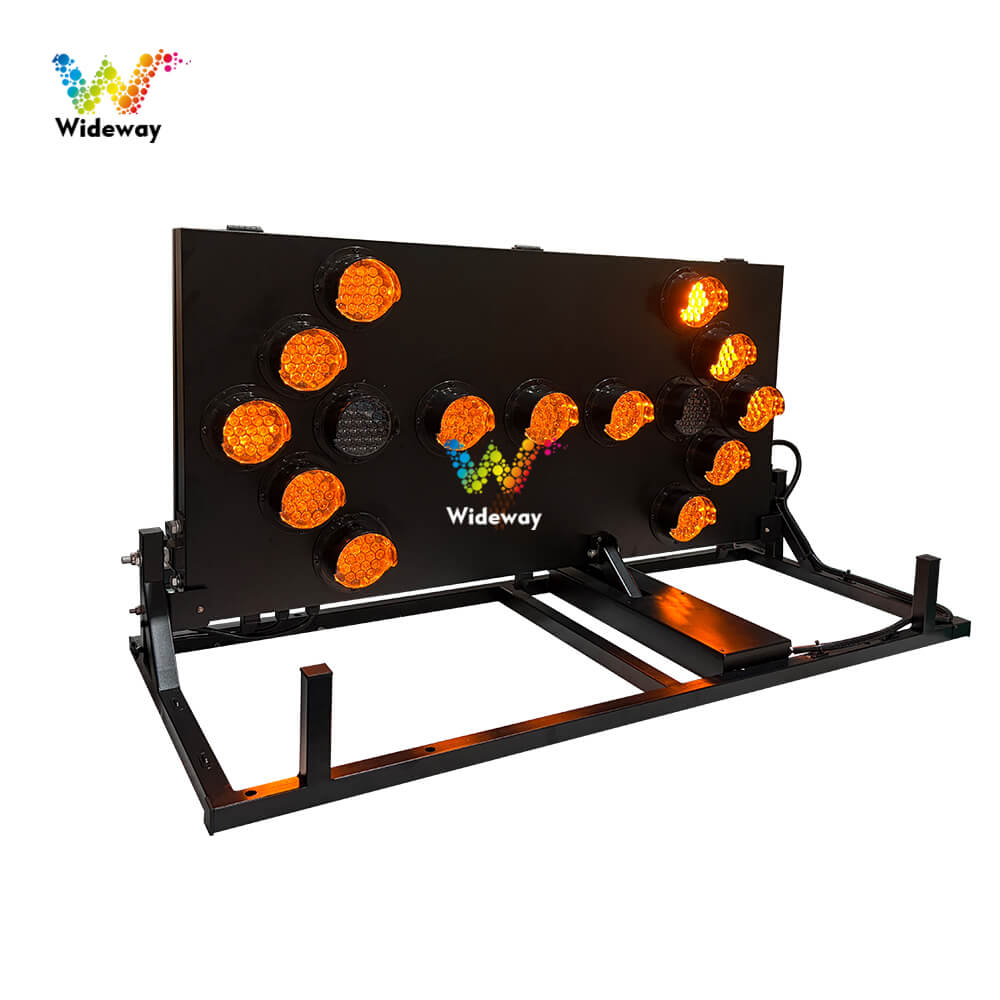
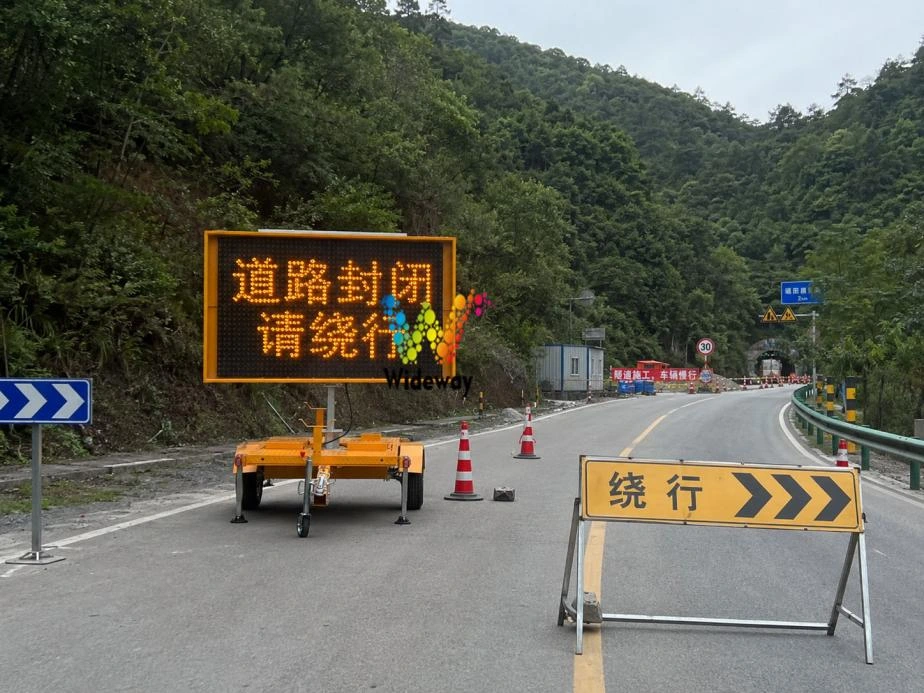
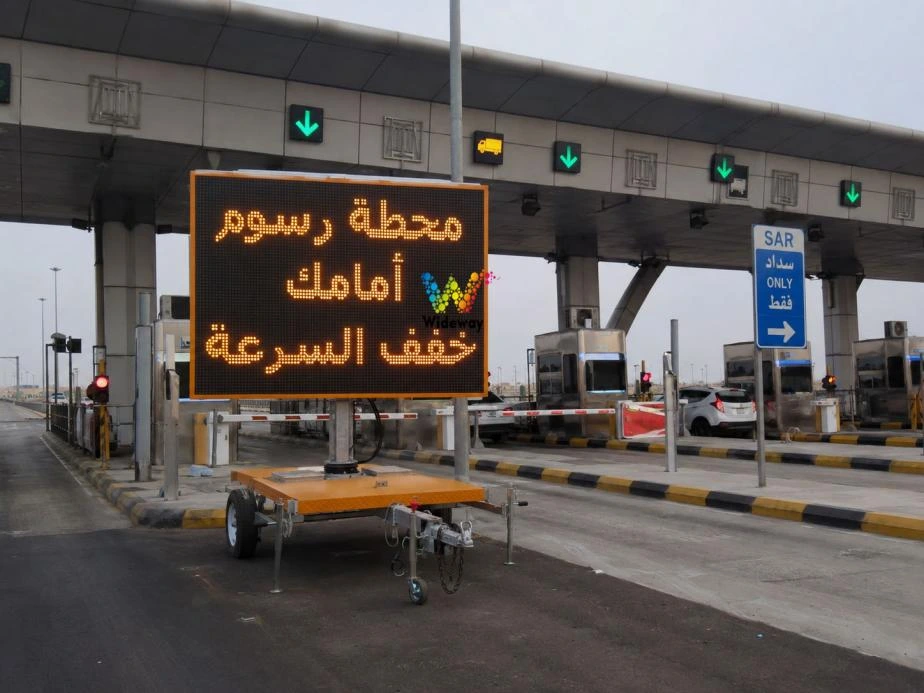
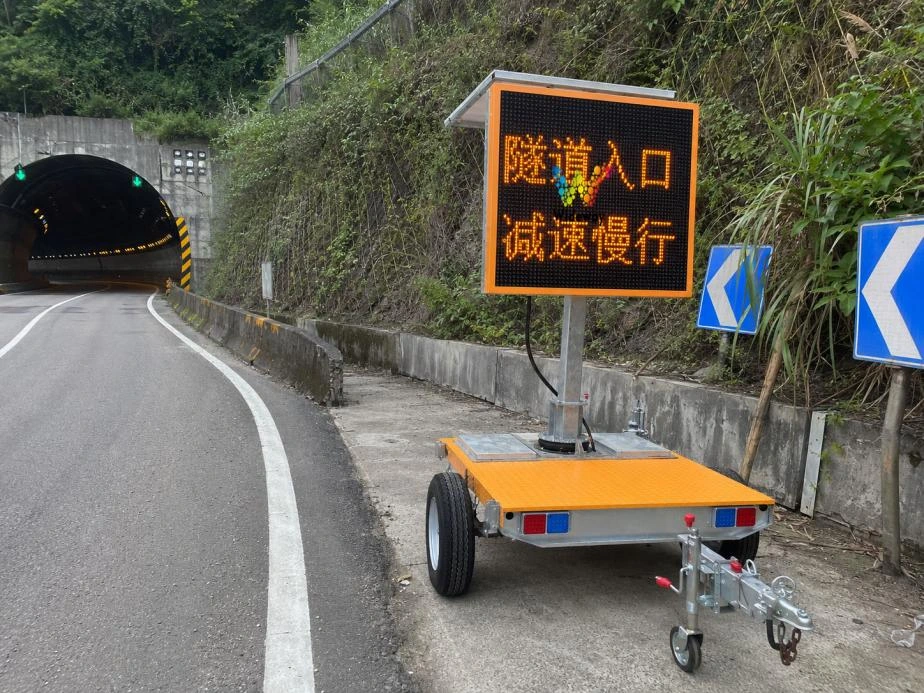
Mobile systems are used for temporary situations like roadworks or emergency control. They can usually be deployed within 10–15 minutes and support wireless remote control.
2.2 Solar-powered system application
In remote or off-grid locations, solar-powered solutions serve as an effective alternative.
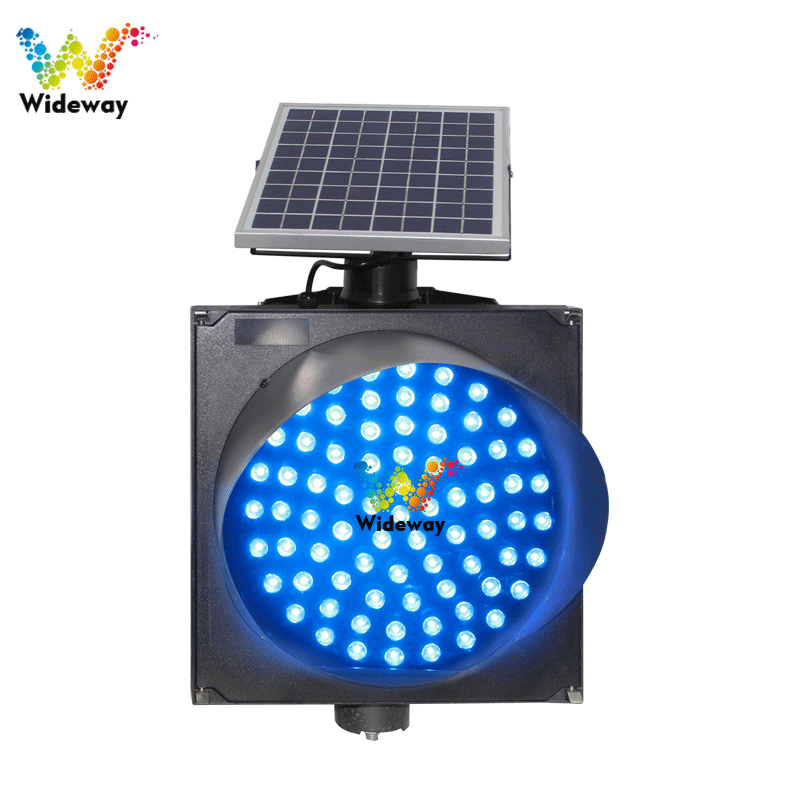
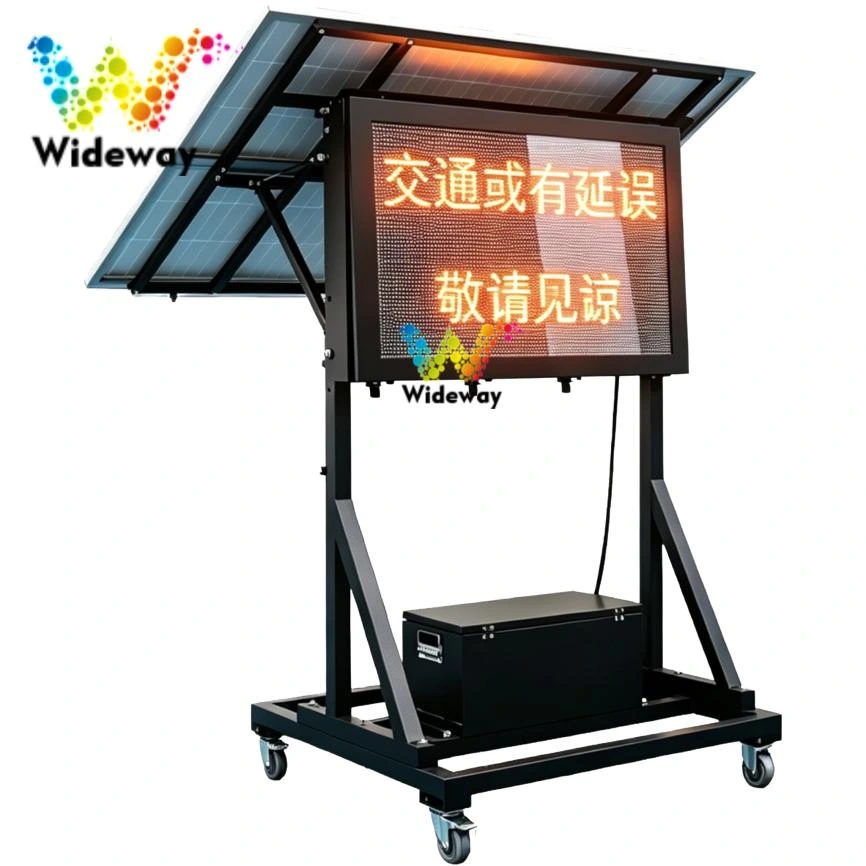
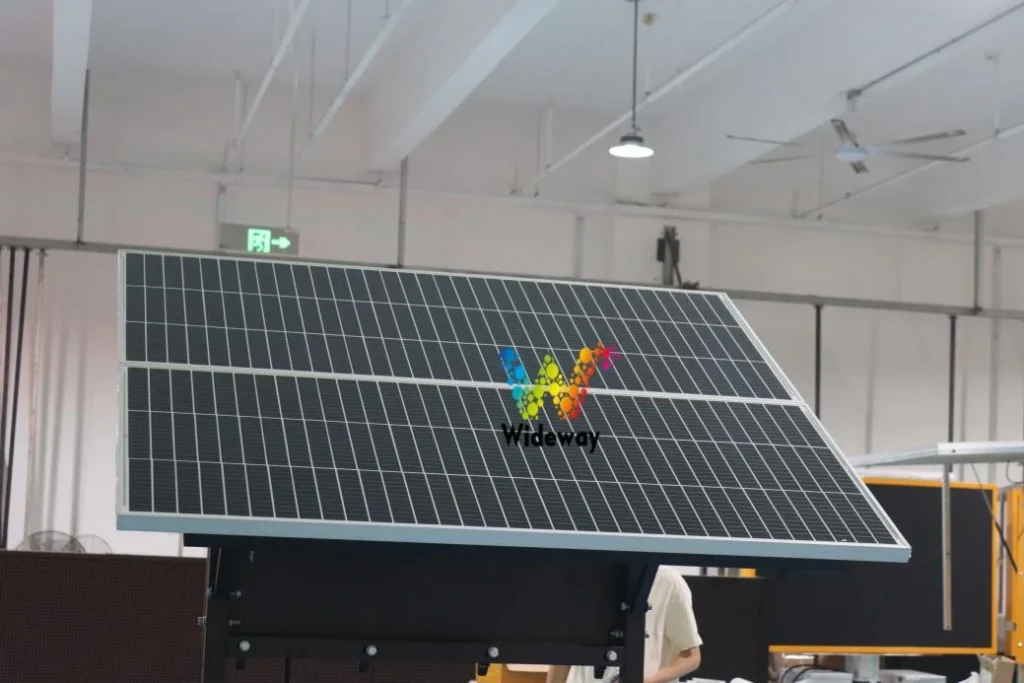
For example, the Solar-Powered Simple Elevating Display Screen is a typical mobile application of VMS signs.
Its structure includes:
- Front-opening cabinet design for easy maintenance
- Waterproof sealing and drainage protection
- Independent solar power supply system
- Mobile lifting stand for flexible deployment
Inside the system, imported Epistar LED chips provide high brightness and long service life. The device is capable of saving a minimum of 100 pre-set messages and allows users to edit and manage them remotely.
This type of equipment is widely used in highway construction zones, disaster warning systems, and remote road management scenarios.
3. Performance evaluation and engineering selection of VMS signage
3.1 Technical comparison
Different VMS signs vary significantly in power supply, visibility range, and application environment:
| Type | Power supply | Visibility range | Installation | Typical use |
| Fixed VMS | Grid electricity | 500–800 m | Gantry/roadside | Highway management |
| Mobile VMS | Battery + solar | 300–600 m | Portable structure | Temporary traffic control |
| Solar VMS | Solar energy | 300–700 m | Independent unit | Remote areas |
3.2 Engineering selection considerations
In practical applications, the choice of VMS signs is influenced by factors such as road category, traffic flow, and available power supply conditions.
In general:
- Highways prefer fixed systems for stability
- Construction zones use mobile systems for flexibility
- Remote regions rely on solar-powered systems
This tiered selection approach ensures both performance efficiency and cost optimization.
4. Integration of VMS signs in smart transportation systems
4.1 System coordination mechanism
In smart city environments, VMS signs work in coordination with cameras, radar detection systems, and central traffic control platforms.
The workflow typically follows: data collection → central analysis → message generation → VMS display output. This closed-loop system supports automated traffic control, reducing the need for manual intervention.
4.2 Urban traffic application scenario
In urban expressway systems, VMS signs are commonly used alongside multi-level traffic infrastructure systems. When traffic flow exceeds peak levels (such as 1800–2200 vehicles per hour), the system will automatically update its messages to show congestion alerts or suggest alternative routes.
This adaptive regulation enhances traffic circulation efficiency and shortens the duration of congestion.
5. Development trends and future direction of VMS signs
5.1 From information display to intelligent control nodes
The role of VMS signs is evolving from simple information display devices into intelligent traffic control nodes. With AI-driven analysis, the system can anticipate short-term traffic conditions and proactively generate warning messages in advance.
Examples include:
- Congestion trend prediction
- Accident risk alerts
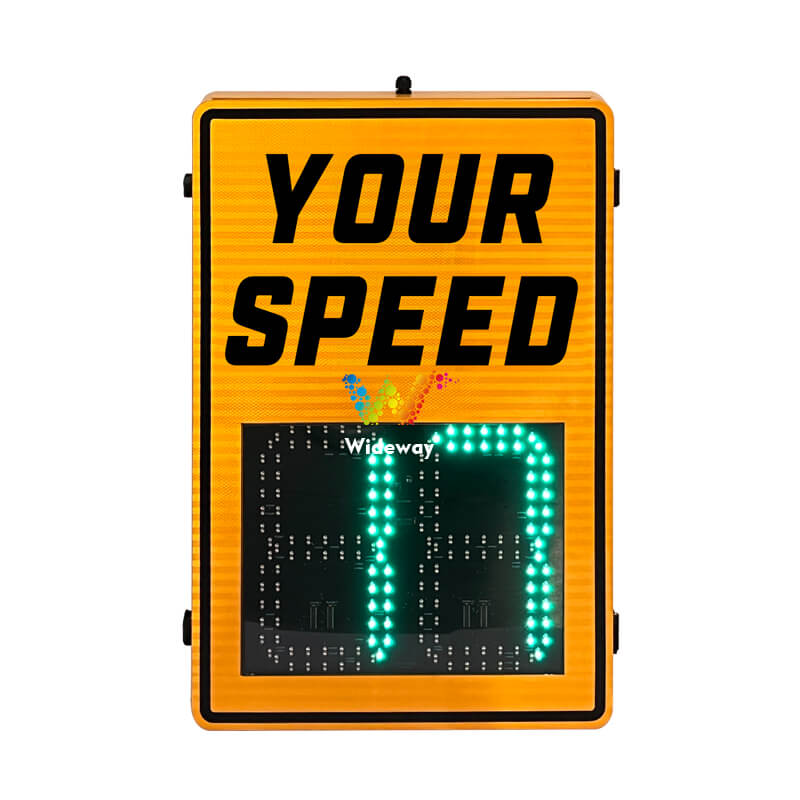
- Dynamic speed recommendations
These capabilities allow drivers to adjust routes before congestion fully develops.
5.2 Vehicle-to-infrastructure and system integration
With the advancement of V2X technology, VMS signs are expected to increasingly interact directly with vehicles. This allows real-time data exchange between infrastructure and onboard systems, enhancing navigation precision and driving safety.
In addition, traffic data from different regions will be coordinated through centralized platforms. Although inter-city data sharing is expected to increase, overall control will stay centralized to maintain system stability and coordinated operation.
Conclusion
Generally, VMS signs have become a key component of modern traffic management systems. From those mounted on highways to portable solar-powered ones, they perform an important function in promoting traffic safety and efficiency.
As intelligent transportation technologies continue to evolve, VMS signs will further develop toward intelligent, connected, and automated control systems, becoming essential information nodes in future smart cities
If you are looking for professional traffic information display solutions, Wideway has extensive experience in intelligent transportation systems and can provide customized VMS products and integrated solutions based on different project requirements. Feel free to contact us for further technical support and cooperation opportunities.
